Blog Archives

Wombat sick with mange (reported to WIRES)
A few days ago, we were in a remote region of New South Wales near the Abercrombie River National Park. We saw a sick wombat on the side of the road. It was clear that the animal was in a lot of pain, but we didn’t know what was wrong with it.
Here’s a picture of the wombat having a rest after walking up a small incline. (Note: There’s a video later in this post, which can be distressing to watch. However, it shows that the wombat has a lot of energy and is eating well.)
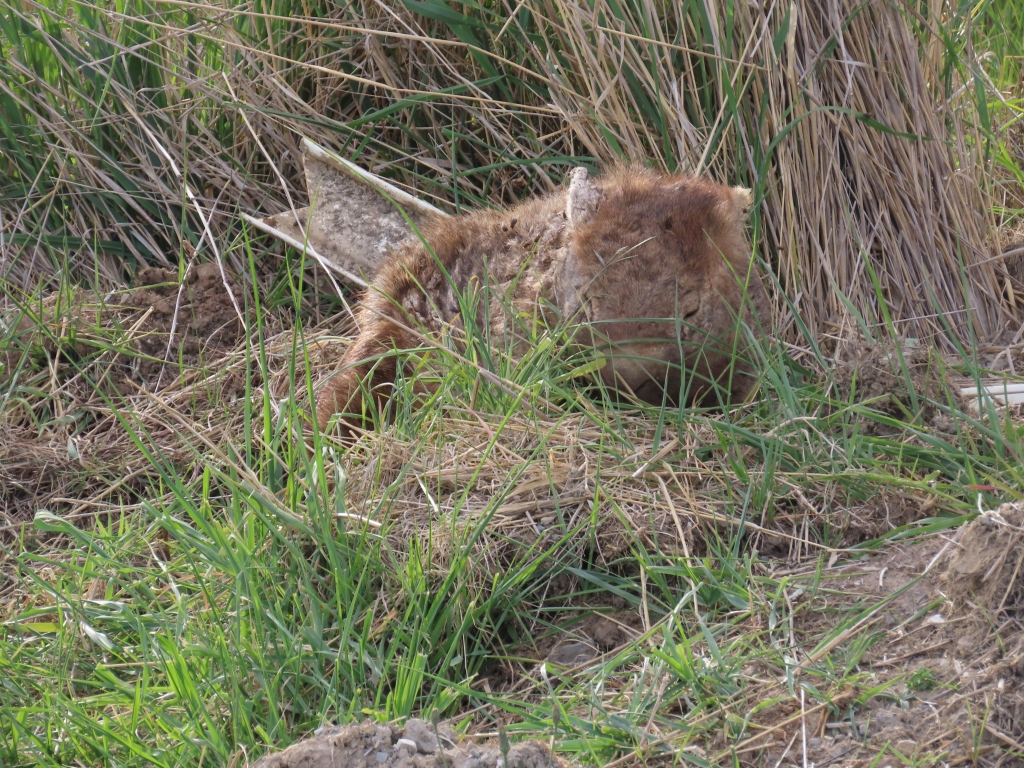
We passed the spot in the car, then turned round and went back to see if there was anything we could do to help. At first we thought maybe the animal had been hit by a car, because it was having obvious difficulty walking. It was eating well, which we took to be a good sign.
I didn’t get too close, because wombats are wild animals and deserve respect. The zoom on my camera was very useful in showing the animal’s condition.
I’d heard that a disease called mange is currently causing many wombats to fall ill, and I wondered if mange was the problem for this poor creature. But at that stage I didn’t know much about the condition.
We took some photos, then as soon as we had mobile service, we lodged an online report with WIRES, the Australian Wildlife Rescue Organization. We were able to give a Google Maps reference of the location of the animal. WIRES phoned us a couple of hours later, and confirmed the details. They then phoned us again the next day for further clarification, at which stage we were able to upload all our photos and the video too. A volunteer from nearby (that is, one and a half hours’ drive away!) would go out to look for the sick animal.
Mange is a skin disease, caused by tiny mites that burrow into the animal’s skin. It’s related to scabies in humans. One of the symptoms is the mass of flies attracted to the animal’s skin, which you can see if you magnify the photo in this post.
Evidently, treating a wombat with mange can be very successful. In most cases, treatment involves installing a flap on the entrance to wombat’s burrow and putting medication on the flap. The wombat thus gets dosed every time it enters and leaves home.
To compare this poor little wombat with a healthy one, take a look at the photos of a parent and baby wombat which we saw some distance away in Abercrombie River National Park.
Thank you and Kudos to Wires. Dealing with the people from WIRES was a very pleasant experience. I very much appreciate the hard work and dedication that the members of the organization and their network of volunteers put into rescuing wildlife in trouble.

Baby wombat in Abercrombie River National Park
In the lovely Abercrombie River National Park this weekend, I was lucky to come across a baby wombat and it’s parent on an early morning stroll. When I came on the scene, the parent nudged the baby towards a hole that led into its burrow. They stood there for a short time, then presumably decided I was safe enough, and continued their amble along the river bank.
Here they are in a lovely still photo. This was just after I saw them, and before I took the video. It looks as if the baby is emerging from another entrance to their burrow, though I didn’t go close enough to see:
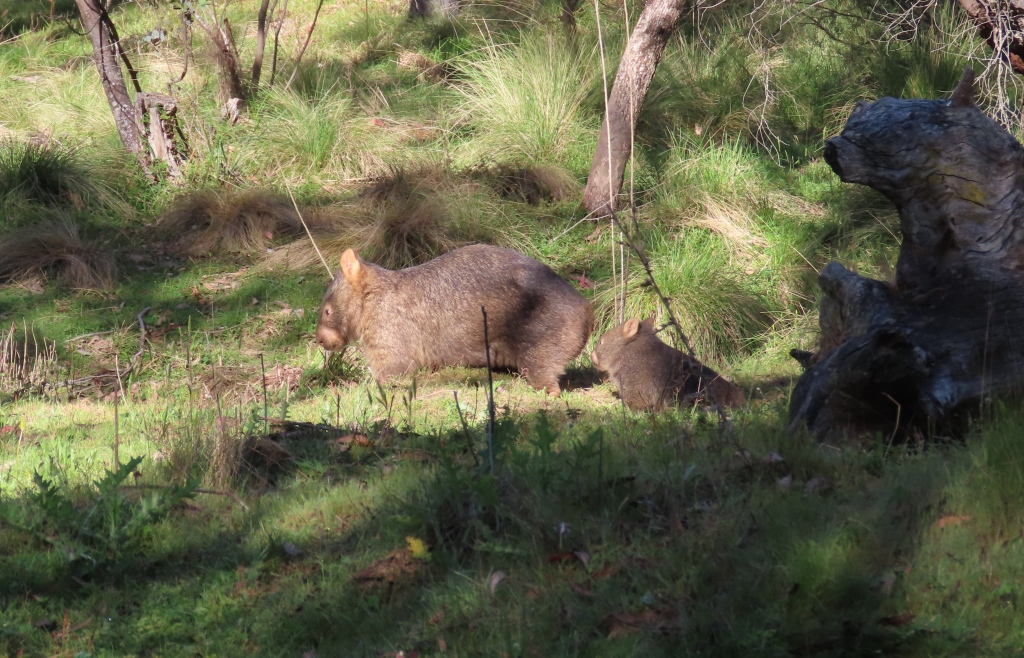
I count myself very lucky to have seen these animals, and such lovely healthy ones in such peaceful surroundings. Wombats are found only in Australia. Like many animals here, they’re marsupials. They’re also the koala’s closest relative.
They’re large, as far as burrowing animals go, at up to 1.3 metres in length and weighing more than 35 kilograms. They can also move very fast when they want to, although if you keep well away you’ll usually see them trundling along in a leisurely fashion like these two.


 Sydney Birder